Eco-Friendly & Recyclable Custom Packaging: A Practical Guide for Brands
Most brands now want packaging that feels responsible. The hard part is not the intention — it is the language. "Eco", "green" and "sustainable" mean different things to different people, and vague claims are exactly what regulators and retailers are starting to police. Here is how to choose custom packaging that is genuinely easier to recycle, and how to say so without overstating it.
Recyclable, recycled, compostable: know the difference
These terms are not interchangeable. Recyclable means the material can be reprocessed in common waste streams. Recycled-content means it already contains recovered fibre — usually post-consumer or post-industrial paper. Compostable means it breaks down under specific industrial or home conditions, which is a very different (and often local) infrastructure question. A box can be recyclable without being made from recycled content, and vice versa. Pick the claim you can actually support with the material spec.
Kraft and recycled-content board
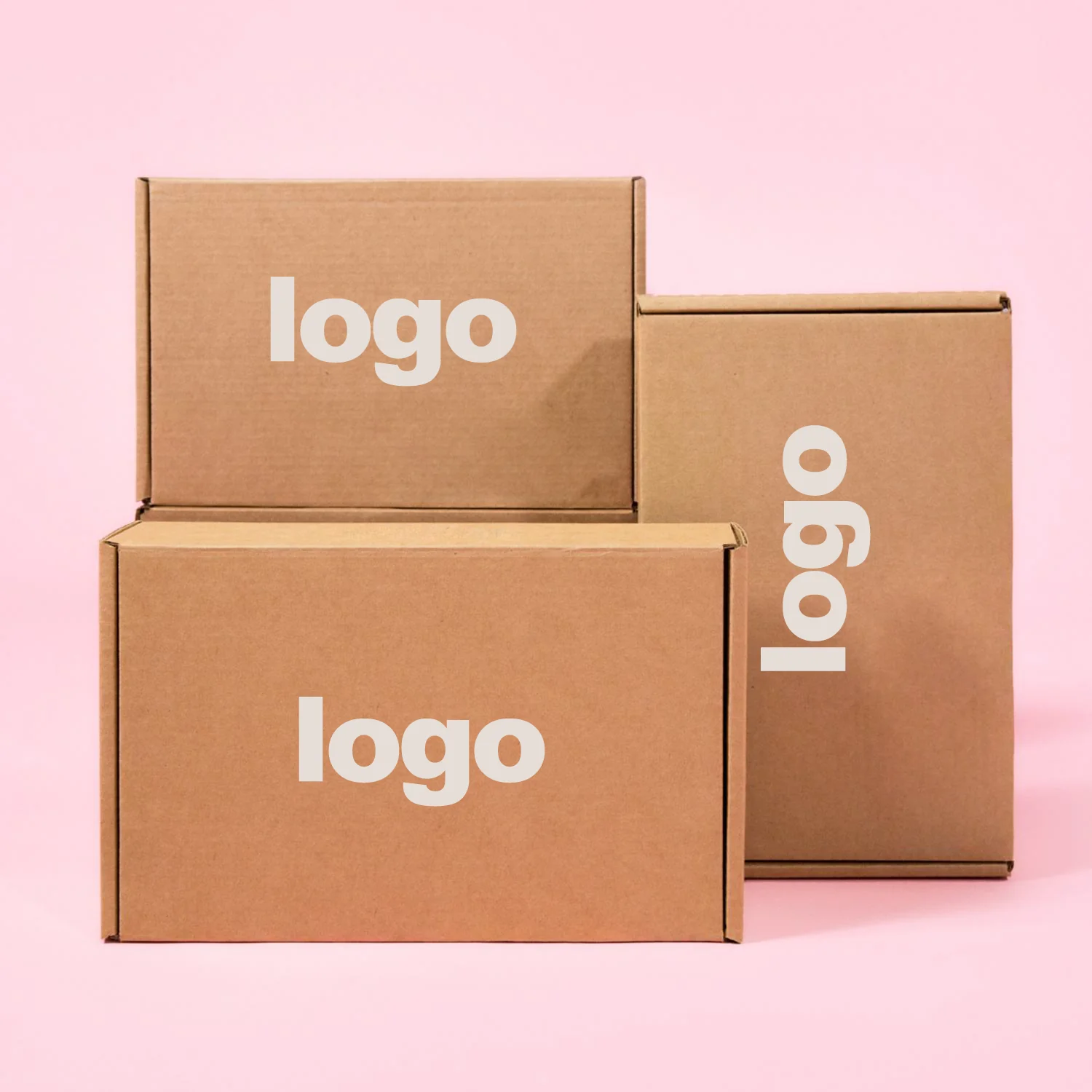
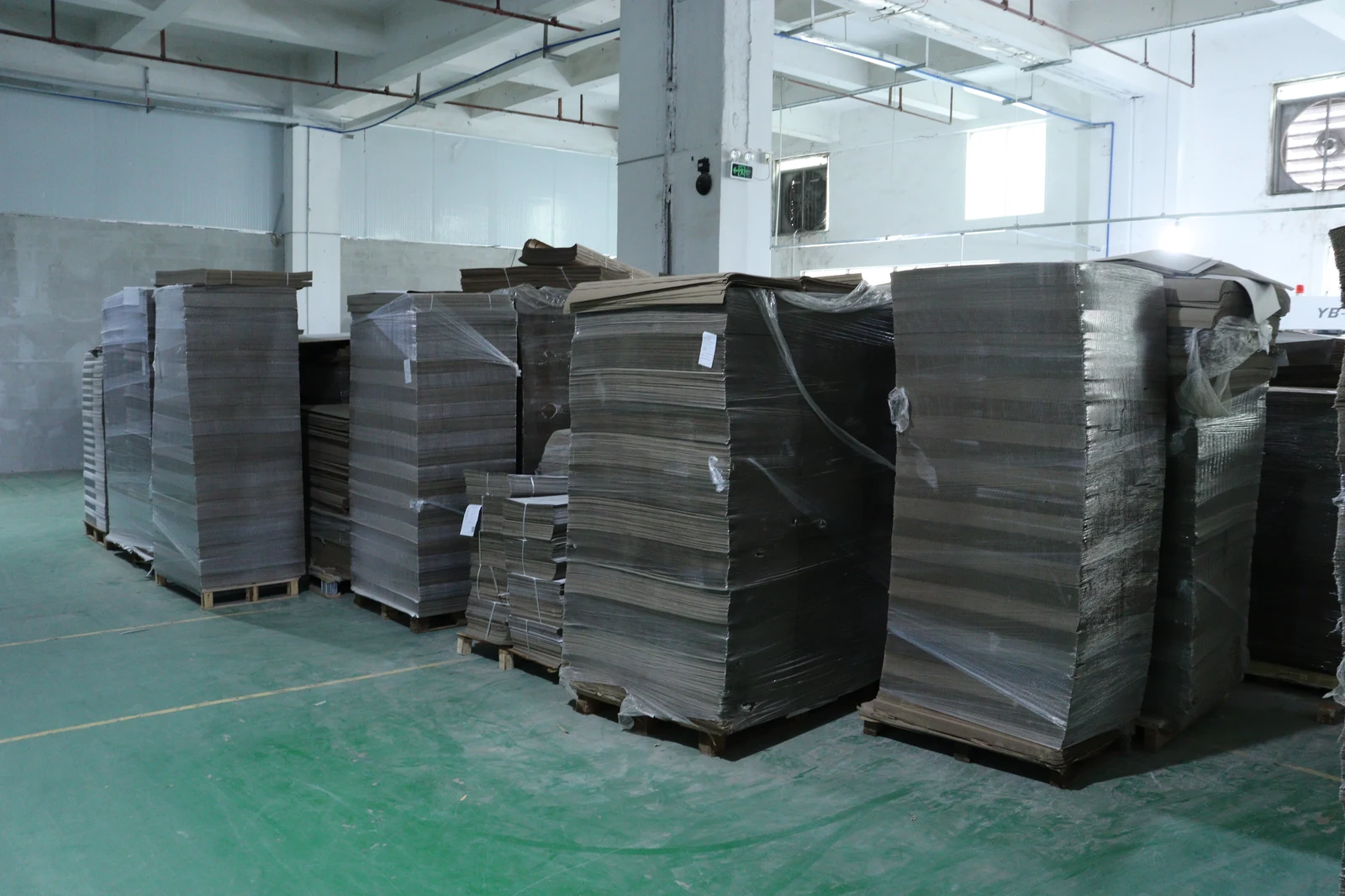
Kraft paperboard is the workhorse of honest, low-impact packaging. Its natural brown colour comes from minimally bleached pulp, so it reads as "recycled" even when it is virgin fibre, and it prints beautifully with soy-based inks. For a stronger claim, ask for board with a stated post-consumer recycled (PCR) content — many folding cartons and mailer boxes run 30–100% recycled content without losing stiffness. At horizbox we supply both virgin kraft and recycled-content board; the choice is a spec line, not a guess.
Right-size it: the easiest waste to cut
The greenest box is often the one you did not oversize. Oversized boxes need more board, more void fill, and more freight volume — three forms of waste at once. Send your product's real inside dimensions (length × width × height) and we build the dieline to fit, not to leave room "just in case". A snug mailer box with a fitted insert usually beats a big box full of paper cushioning on every sustainability metric that matters.
FSC and certified papers
If you sell in markets where sourcing matters — the EU, the UK, and increasingly North America — an FSC claim carries weight because it is third-party verified, not self-declared. We can supply FSC-certified board on request and provide the chain-of-custody documentation your retailer or auditor will ask for. Note that FSC is about responsible forestry sourcing; pair it with recyclability for the full story.
Mono-material beats mixed laminates
A box that is paper everywhere, including its print and finish, is far easier to recycle than one glued to a plastic window or coated in a non-separable film. A plain or soft-touch aqueous coating recycles; a PVC window often does not. If you need a window, ask for a cellulose-based (compostable) film rather than PET, and tell us so we can spec the right adhesion.
What to ask your factory
- Recyclability: Is the board, ink and coating accepted in standard paper recycling where my customers are?
- Recycled content: What PCR percentage can you certify, and on which board grades?
- Certification: Can you supply FSC board with chain-of-custody paperwork?
- Finish: Will the lamination or coating keep this recyclable, or block it?
- Weight: Can we right-size to cut board and freight, not just add "eco" ink?
Honest sustainability starts with those five questions, not with a leaf logo on the lid. Send your product size and target market and our team will spec a board and finish that is genuinely easier to recycle — and tell you plainly where the trade-offs are.
Spec a recyclable box
Send your product dimensions and where you sell, and our factory will recommend a board and finish that is genuinely easier to recycle.
Customize Your Box